Stop Buying More, Start Buying Better: A Real Guide to Dressing With Purpose
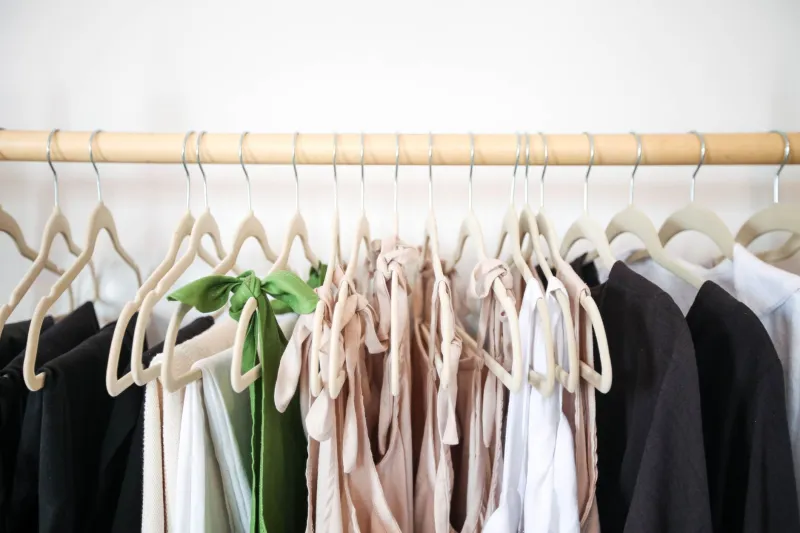
Let's be honest — most of us have a closet stuffed with clothes we never wear. There's the impulse-buy blazer that seemed perfect on a Tuesday night scroll session, the three pairs of nearly identical jeans, the dress that was 'too good of a deal to pass up' and has been worn exactly once. Sound familiar? You're not alone, and it's not really your fault.
The modern shopping experience — both online and in-store — is engineered to trigger fast decisions. Flash sales, countdown timers, 'only 2 left in stock' banners. The whole system is designed to get you to buy before you think. But a growing number of consumers across the US are pushing back, choosing to slow down and build wardrobes that genuinely reflect who they are and how they actually live.
This isn't about spending more money. It's about spending it smarter.
The Problem With 'More'
Fast fashion has made clothing feel disposable, and that's changed the way we relate to what we wear. When a shirt costs $8, it's easy to buy three in different colors without much thought. But here's the thing — those cheap wins tend to pile up into a closet that feels overwhelming and yet somehow still leaves you standing there thinking, I have nothing to wear.
The issue isn't quantity. It's alignment. A wardrobe that works for your life needs to reflect your actual daily reality — not your aspirational self, not a lifestyle you're hoping to grow into someday, but the real version of you who goes to work, runs errands, meets friends for dinner, and occasionally needs to look pulled together on short notice.
Intentional shopping starts with getting honest about that reality.
Know Your Lifestyle Before You Know Your Style
Before you buy a single thing, it helps to take stock of how you actually spend your time. This sounds obvious, but most people skip it entirely. Think about a typical week: How many days do you work from home versus commute to an office? Do you dress up for anything regularly, or is your life mostly casual? Are you outdoorsy, or are you a city person who walks everywhere?
Once you have that picture, you can start to see where your wardrobe gaps actually are — versus where you think they are. A lot of people buy 'going out' clothes when what they actually need are better everyday basics. Others stock up on loungewear when what's missing is one or two versatile work-appropriate pieces.
This lifestyle audit is the foundation of intentional curation. It's the same principle behind why Axzi Shop puts so much emphasis on fit for purpose — products that make sense for how people genuinely live, not just how they imagine they might.
The 30-Wear Rule (And Why It Works)
One of the most practical frameworks floating around style communities right now is the 30-wear rule: before buying something, ask yourself honestly whether you'll wear it at least 30 times. It's a deceptively simple filter that cuts through a lot of noise.
That trendy statement piece that's everywhere right now? Probably won't pass the test. A well-cut pair of dark trousers in a neutral that goes with half your wardrobe? Absolutely.
The rule isn't about being boring or sticking only to basics. It's about being realistic. You can still buy the fun, expressive piece — but you should go in with eyes open about what it is: a treat, not a wardrobe cornerstone.
Building Around a Core Palette
One of the easiest ways to make a smaller wardrobe feel bigger is to build around a cohesive color palette. This doesn't mean dressing like a minimalist monk in all-gray everything. It just means choosing a handful of colors that genuinely work together, so that most things in your closet can mix and match without too much effort.
For most people, this looks something like two or three neutrals (think navy, cream, olive, camel, black) anchoring the wardrobe, with one or two accent colors you're actually drawn to. When everything plays nicely together, you get more outfit combinations out of fewer pieces — which is exactly the point.
Quality Over Everything — But Be Smart About It
Intentional shopping doesn't mean you have to drop $300 on every single item. It means being strategic about where quality matters most. Shoes, outerwear, and the core basics you wear constantly are worth investing in. Trendy seasonal pieces? Not so much.
When evaluating quality, look beyond the label. Check seams, fabric composition, and how the piece feels after you've tried it on and moved around in it. A good piece should feel like it was made to last — because it was.
The One-In, One-Out Approach
Once you've done the work of building a wardrobe that actually fits your life, the challenge becomes maintaining it. One of the best habits you can adopt is the one-in, one-out rule: every time something new comes in, something old goes out. It keeps the closet from creeping back toward chaos and forces you to make real decisions about what's worth keeping.
Donate, sell, or pass along what you're letting go. There's something genuinely satisfying about knowing your discards are going somewhere useful rather than just piling up in a bag in the back of your closet.
The Bigger Picture
Building an intentional wardrobe isn't just a personal win — it's a small but meaningful way to opt out of a consumption cycle that isn't great for anyone. When you buy less but buy better, you're supporting brands that make things to last, reducing waste, and developing a relationship with your clothes that's actually satisfying.
And at the end of the day, getting dressed should feel easy. It should feel like you. That's the whole point — not a closet that impresses anyone else, but one that genuinely serves the life you're living right now.